Galapagos wildlife calendar: where and when
Galapagos wildlife calendar with pictures of the most incredible creatures you can find in the archipelago. Includes a list with the animals you might see on every island.
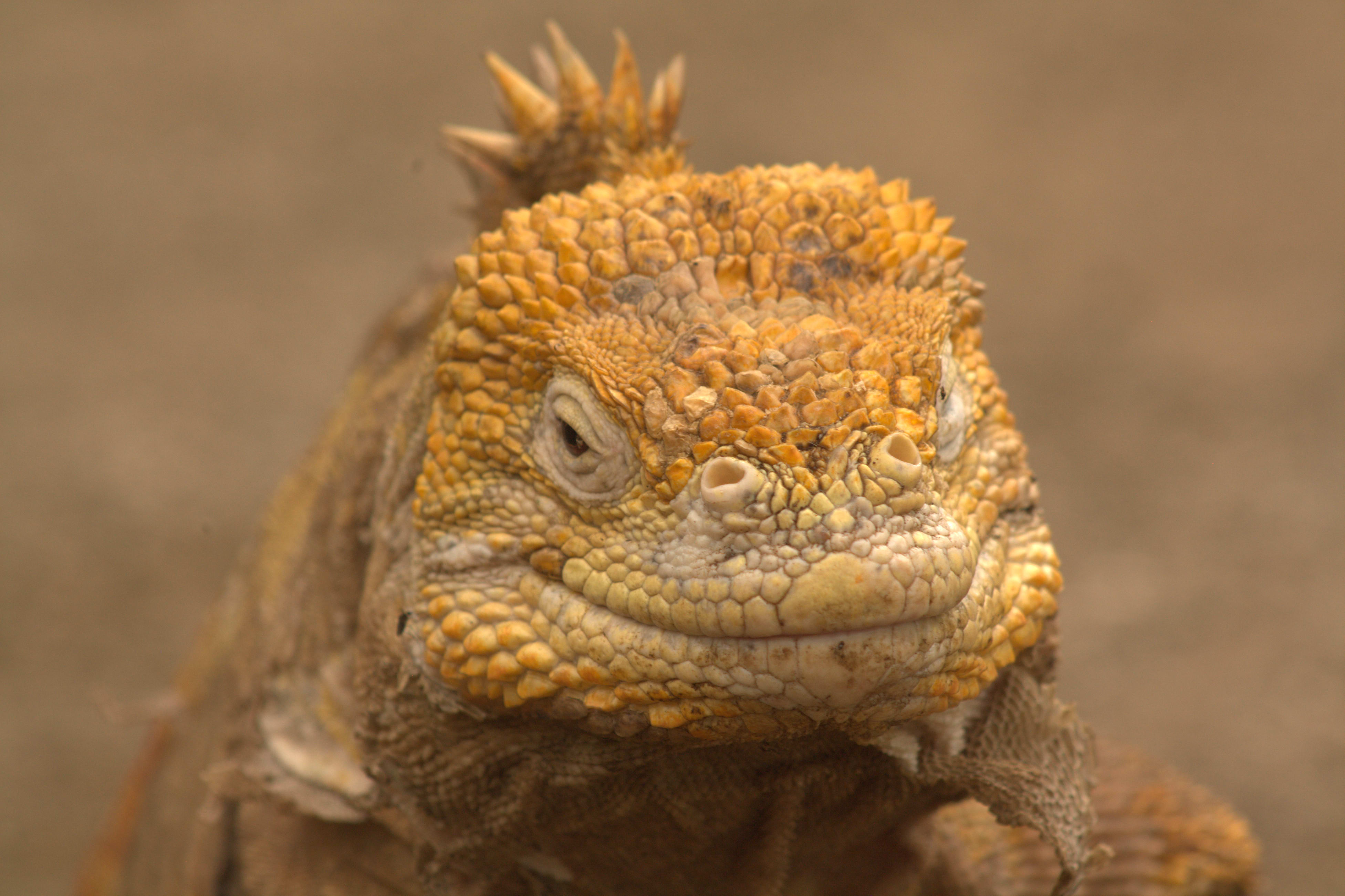
Galapagos Wildlife Calendar. List of the Most Amazing Animals you Might See
Year-round encounters
January to June
July to December
Galapagos Islands Wildlife Calendar
Having been isolated from the mainland for thousands of years, Galapagos wildlife has evolved in unique and fascinating ways, and inspires visitors today just as it did Charles Darwin in 1835. Giant tortoises, blue-footed boobies and marine iguanas are among its most captivating species, together with playful sea lions, scuttling Sally Lightfoot crabs and iconic Darwin’s finches.
Year-round animal encounters
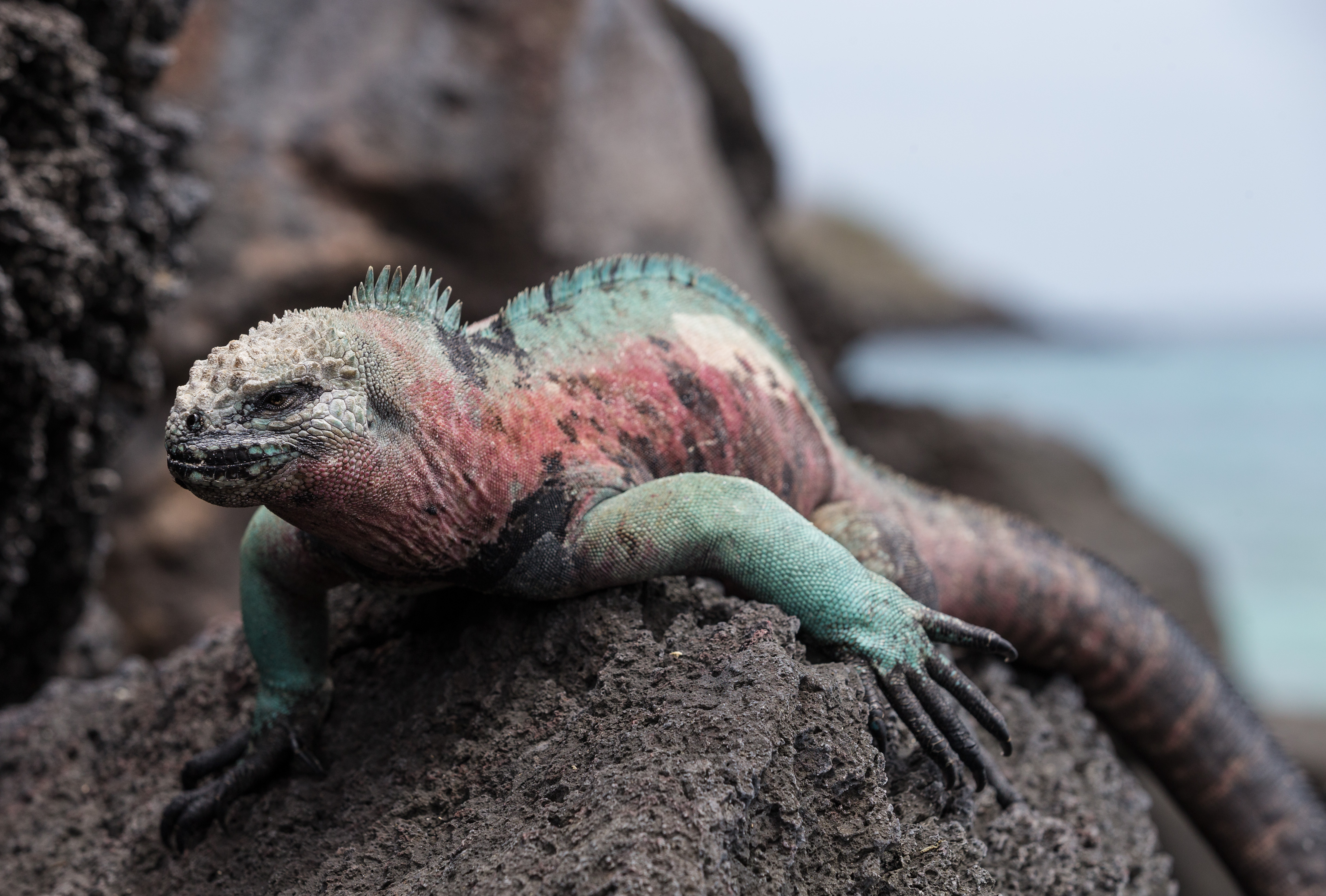
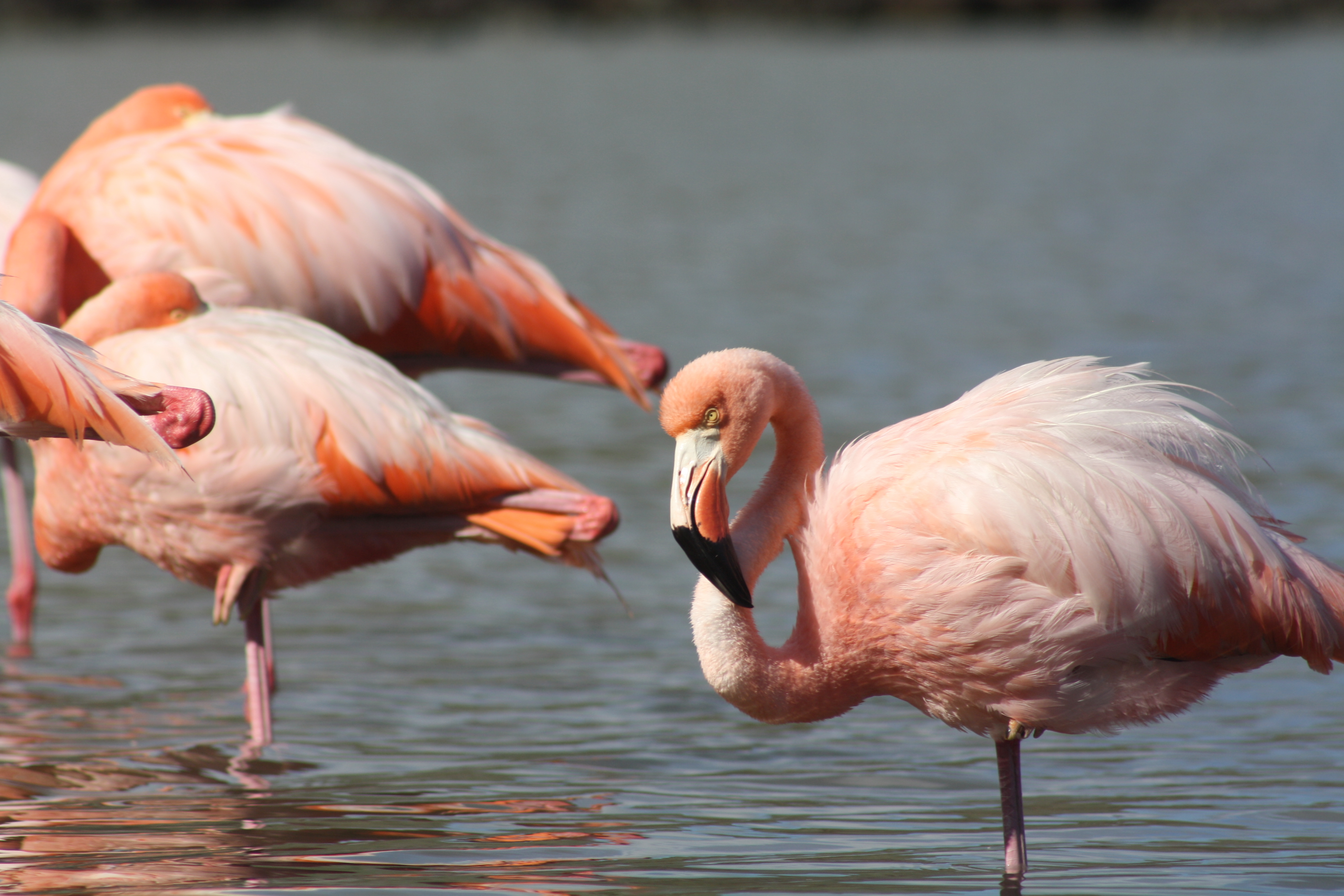
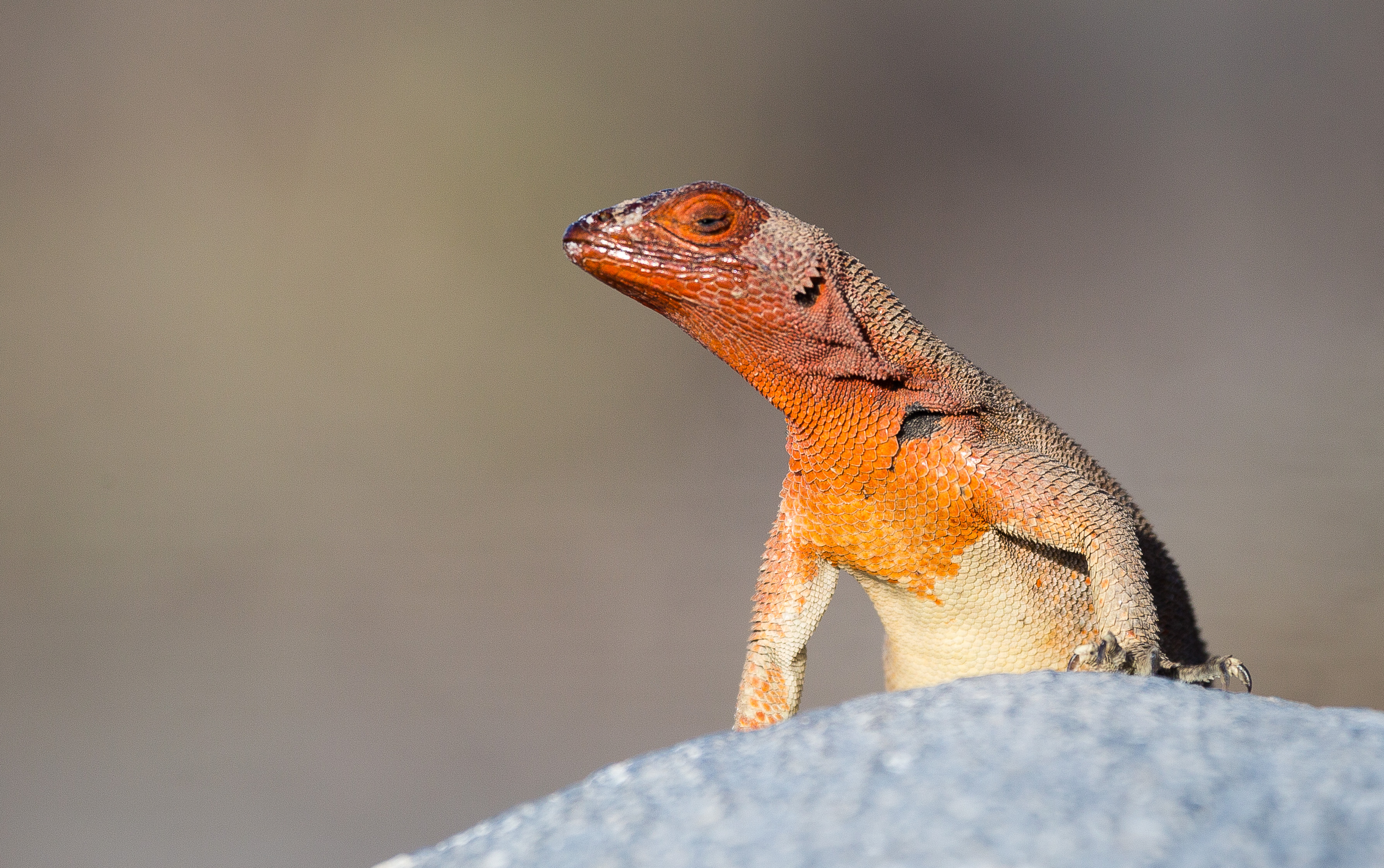
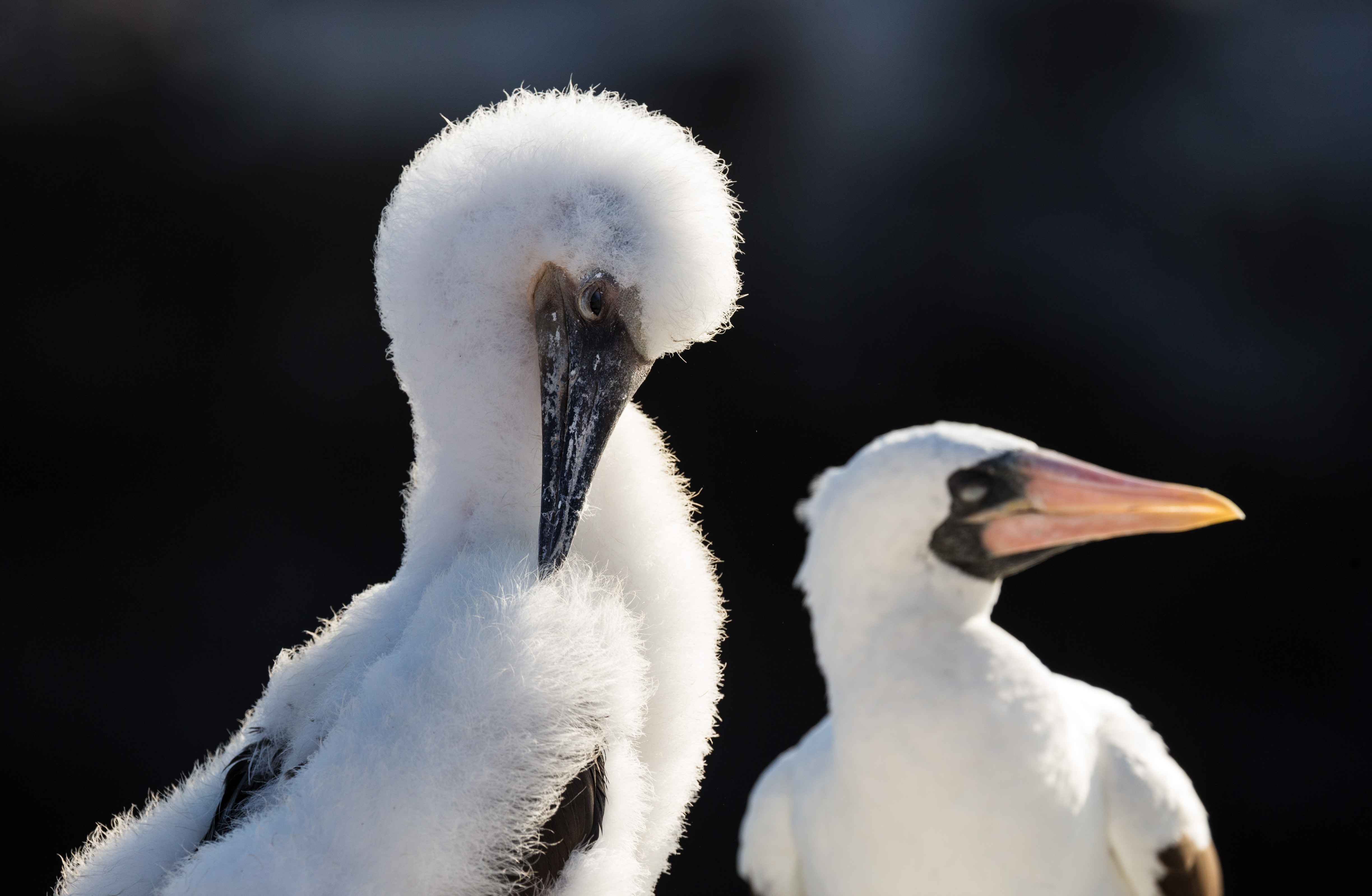
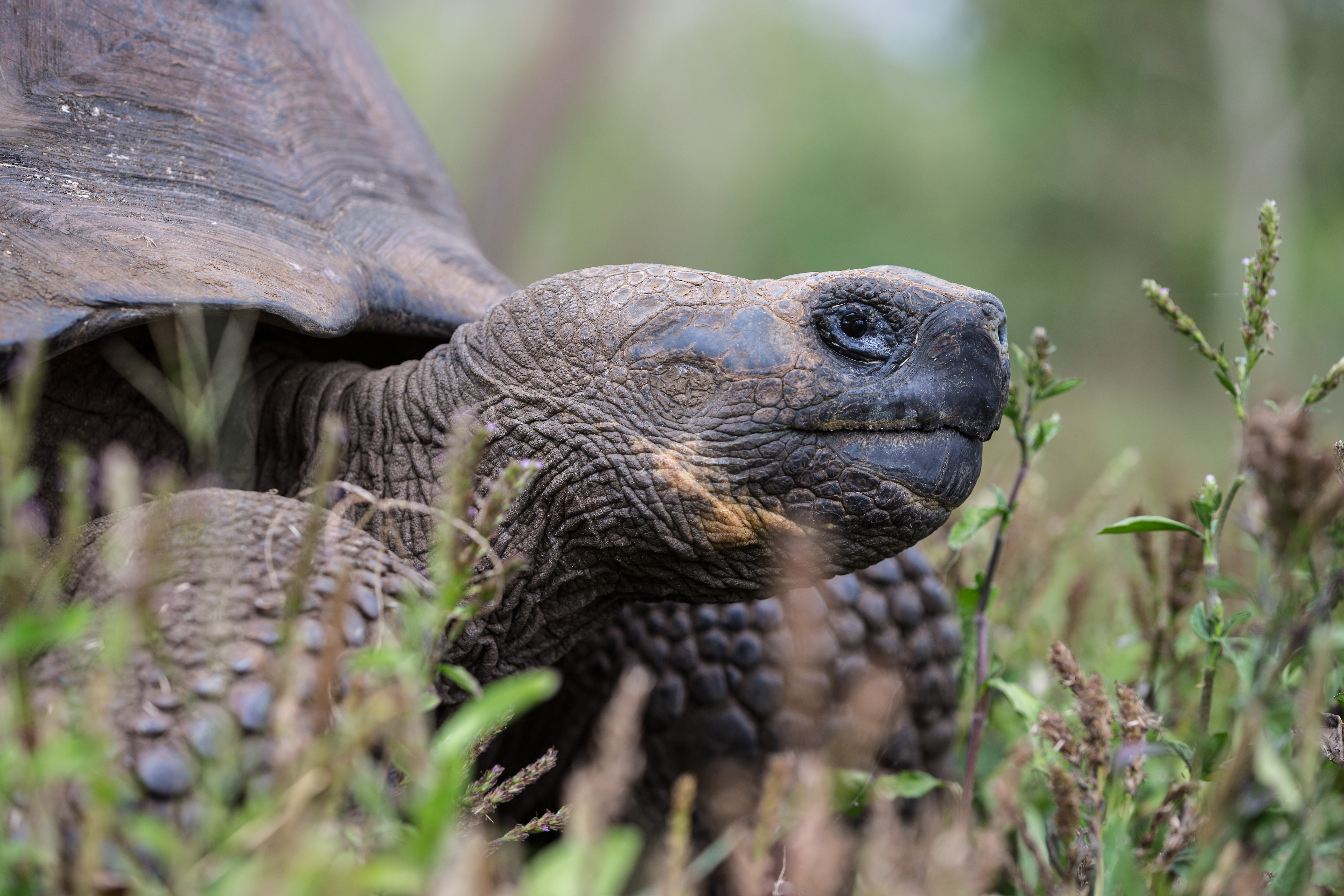
Before reviewing the Galapagos wildlife calendar, know that most of the animals are visible year-round. Birdwatchers will be treated to sightings of both great and magnificent frigatebirds throughout the year, together with flightless cormorants, Galapagos doves, greater flamingos along with Nazca, red-footed, masked and blue-footed boobies. Year-round land species include lava lizards, giant tortoises, and both land and marine iguanas, while sea lions and fur seals can be seen basking along the shoreline and tropical fish, sharks, rays and sea turtles can be spotted just below the water’s surface.
JANUARY
The start of the rainy season sees marine iguanas ignite in bright colors and green sea turtles arriving to lay their eggs on the beach, while land birds begin nesting.
FEBRUARY
A rise in sea temperatures is accompanied by the start of the nesting season for flamingos, together with marine iguanas on Santa Cruz. Galapagos doves can be seen courting, while black-tailed pintails also begin breeding.
MARCH
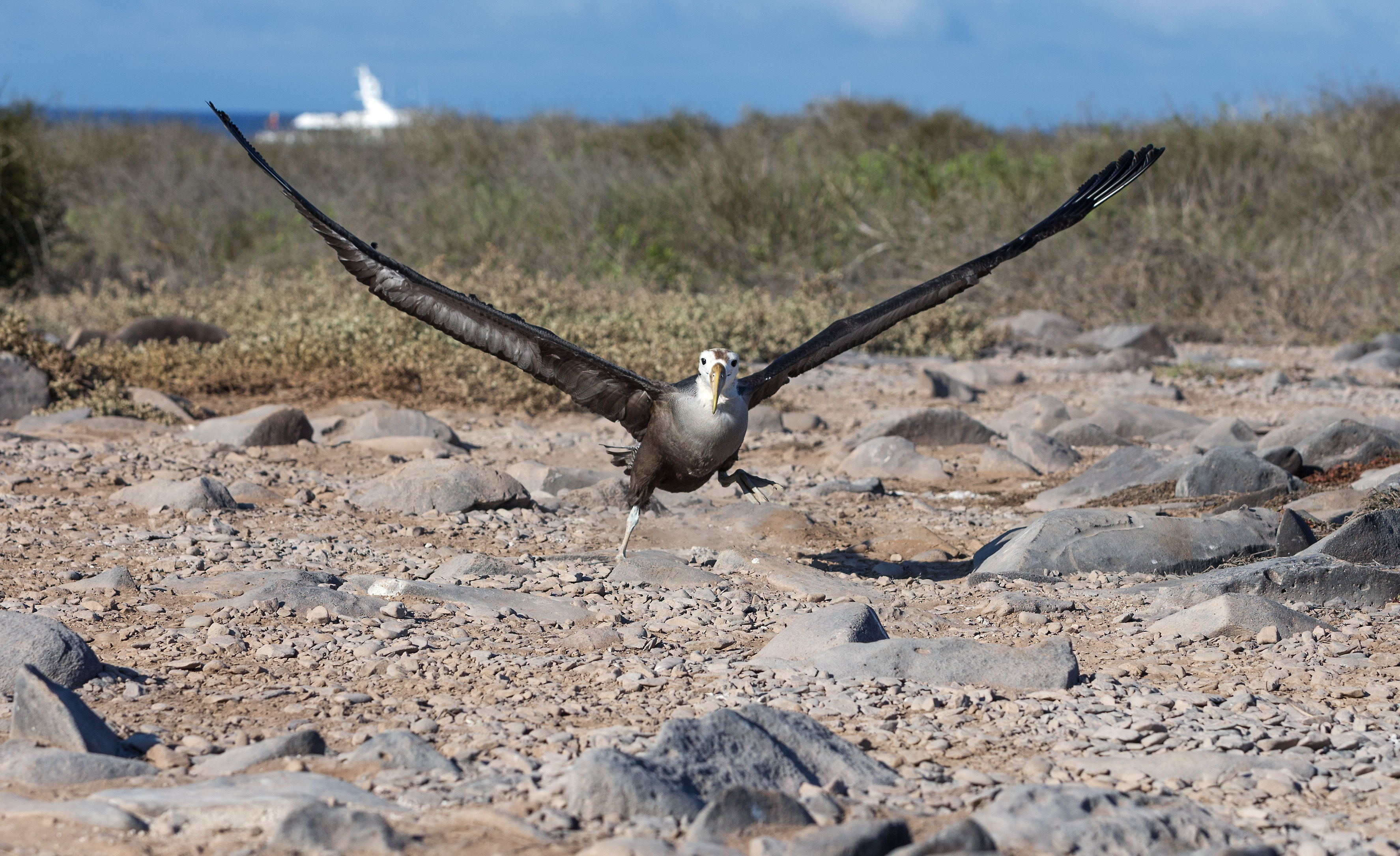
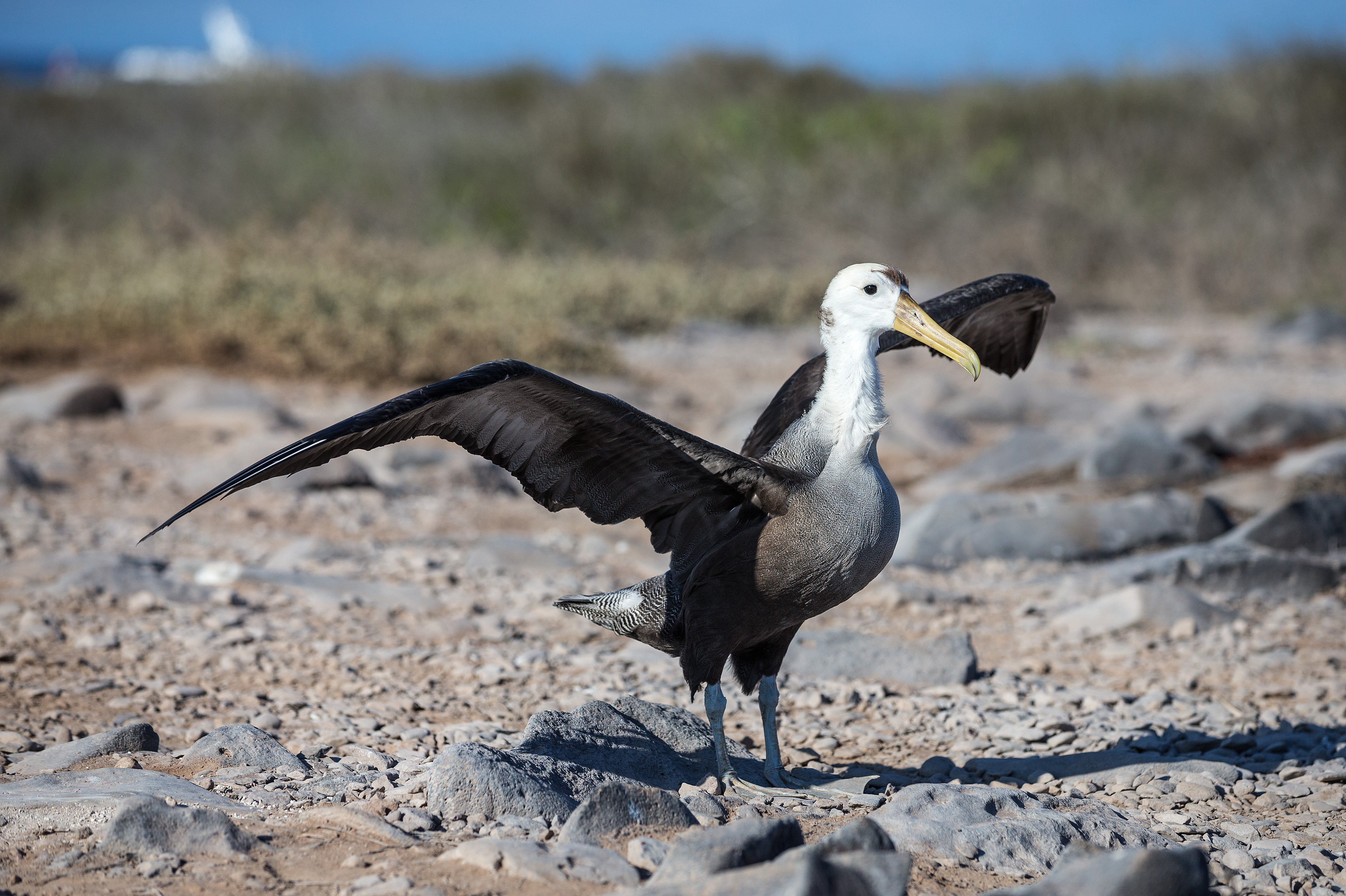
March sees frequent downpours at the peak of the rainy season, with the arrival of the waved albatross to Española towards the end of the month and marine iguanas can be observed nesting on Fernandina.
APRIL
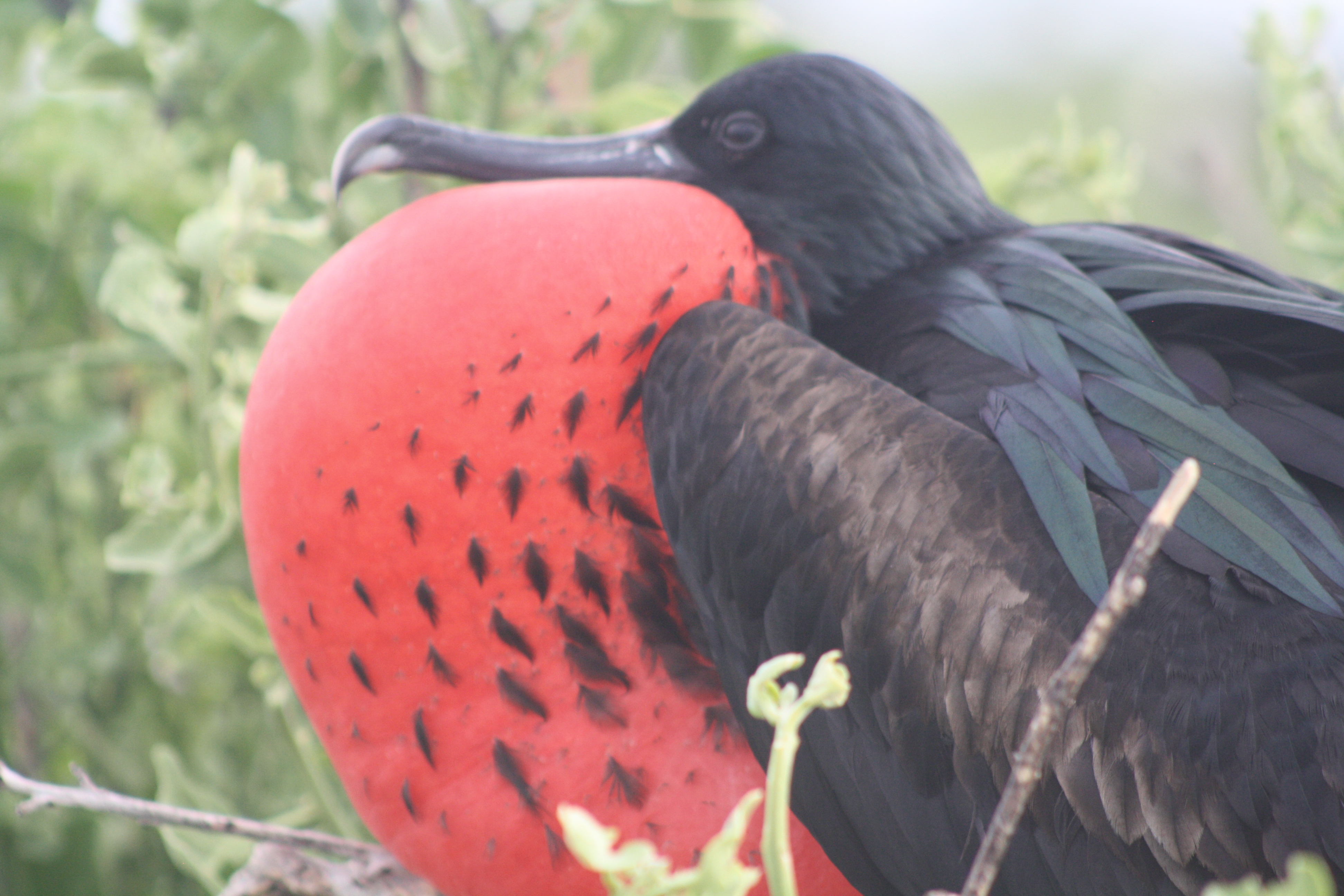
The impressive courtship of the waved albatross is on display together with the mating rituals of frigatebirds, while green sea turtles and land iguana eggs begin hatching on Isabela.
MAY
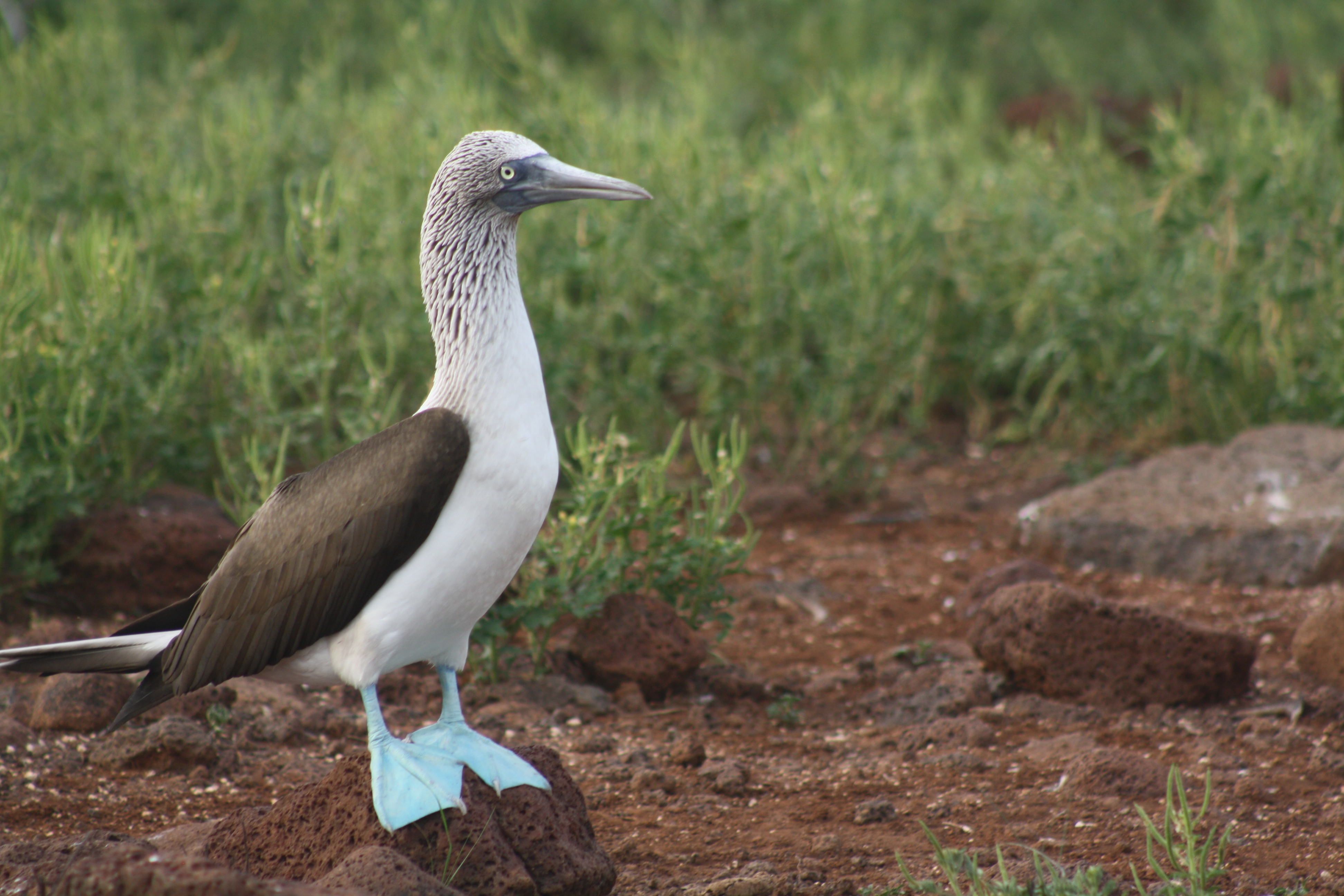
The courtship rituals of North Seymour’s blue-footed boobies can be observed , while the waved albatross begin laying their eggs on Española. Green sea turtles can be seen hatching at Gardner Bay, Punta Cormorant and Puerto Egas.
JUNE
The courtship rituals of North Seymour’s blue-footed boobies can be witnessed, while waved albatross begin laying their eggs on Española. Green sea turtles can be seen emerging from their eggs at Gardner Bay, Punta Cormorant and Puerto Egas.
Galapagos Travel Map
To give you a better perspective about on which islands you can find your favorite Galapagos animals, we have created an interactive map. In this map you will be able to determine at which visitor sites it is possible to see each species in the Galapagos.
JULY
Seabird colonies are alive with courtship rituals, egg-brooding and the feeding of chicks, while flightless cormorants on Fernandina are particularly impressive. Lava lizards begin their mating rituals and both whales and dolphins are often spotted off the west coast of Isabela.
AUGUST
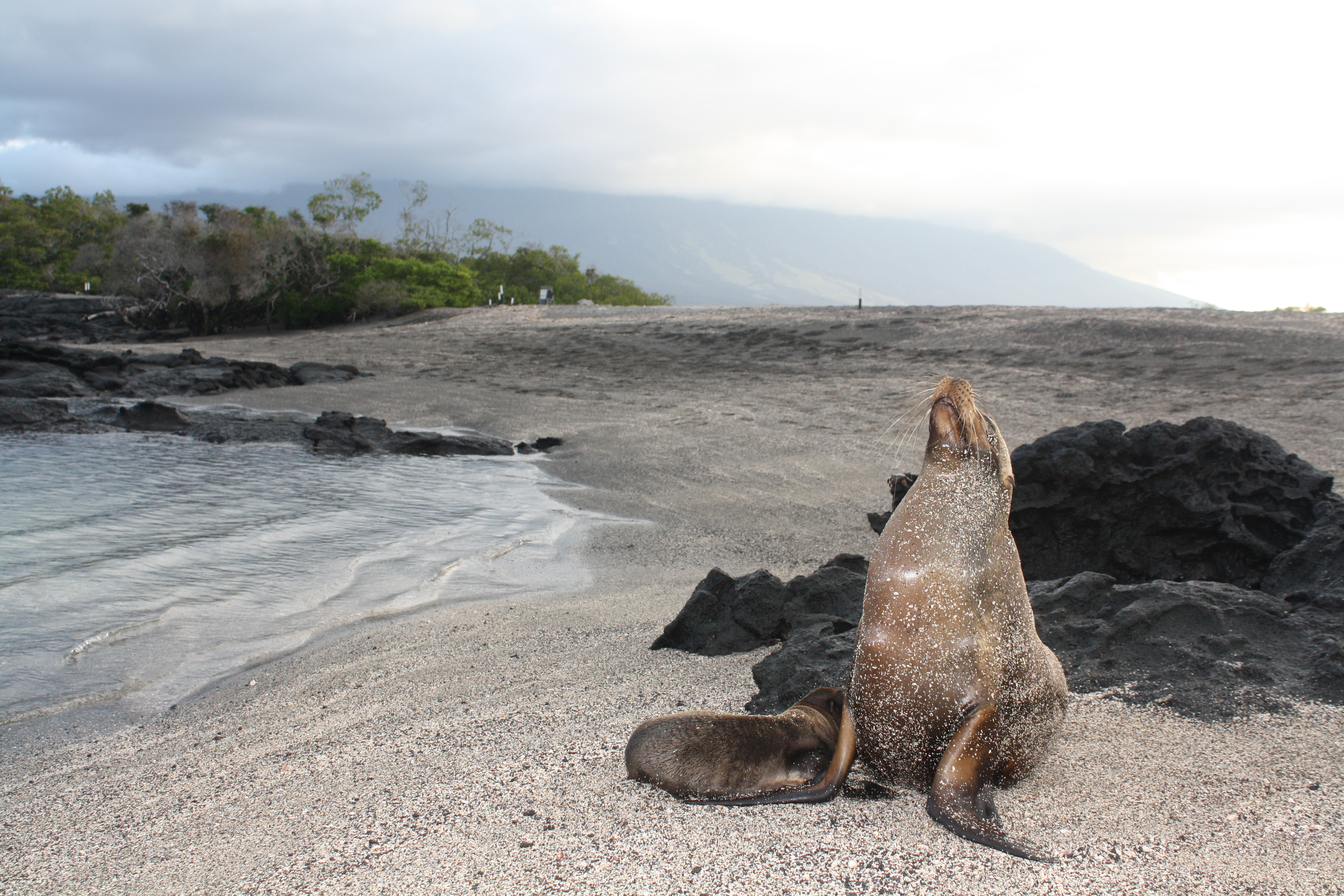
Galapagos hawks begin courting; Nazca boobies and swallow-tailed gulls are nesting, while giant tortoises begin their journey back into the highlands. Sea lions begin to give birth to pups and the sea currents are at their strongest, with ocean temperatures falling to around 18°C.
SEPTEMBER
The peak of the cold season sees Galapagos sea lions at their most active, with males barking and fighting over females, while most seabirds are still busy nesting and feeding chicks.
OCTOBER
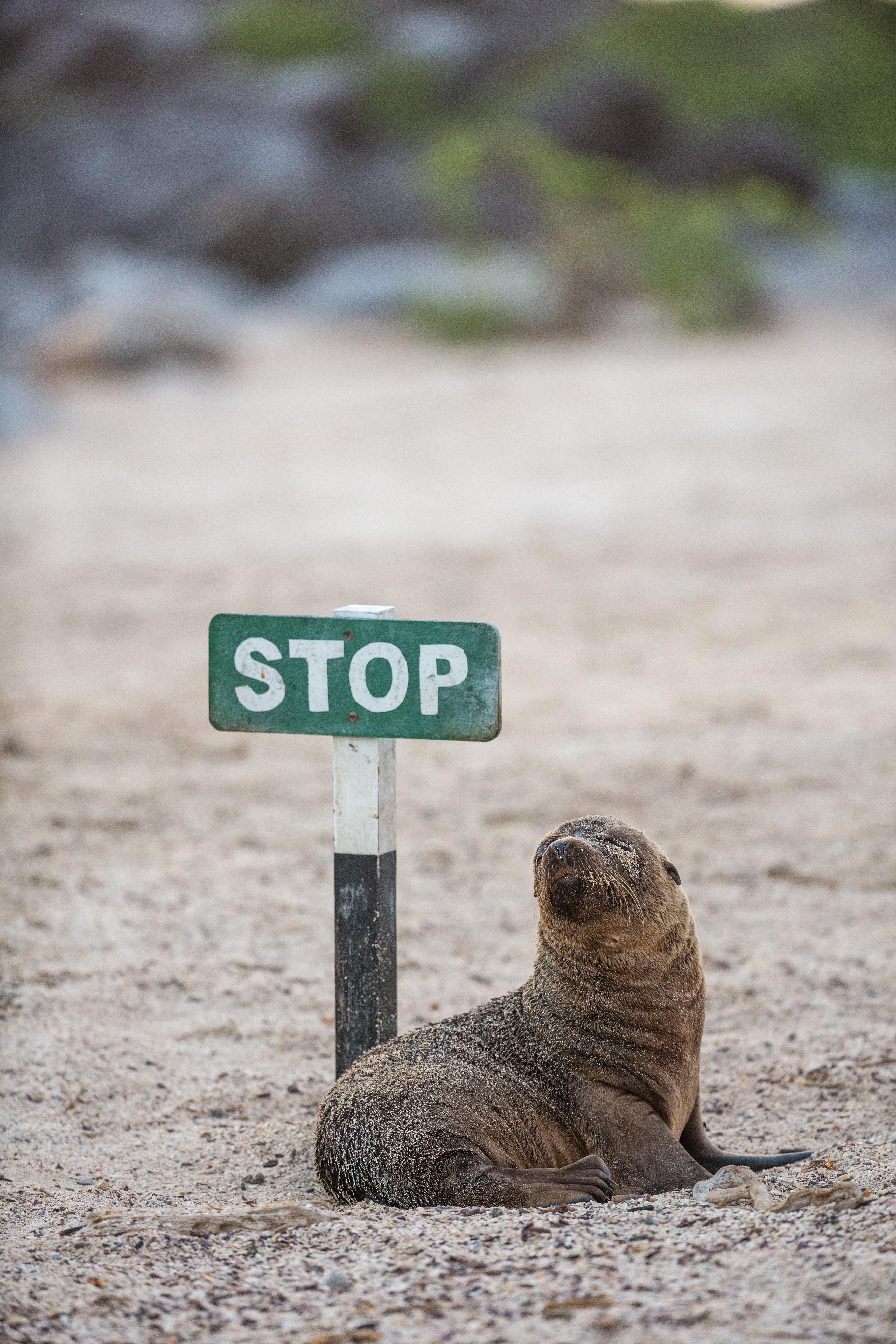
Galapagos fur seals begin mating as lava herons start nest building, while blue-footed boobies can be seen rearing their chicks on Española and Isabela.
NOVEMBER
As the seas begin to calm and water temperatures rise, snorkelers can get up close to sea lion pups and enjoy the excellent visibility. Brown noddies start breeding and storm petrels can be seen nesting on Genovesa.
DECEMBER
Giant tortoise eggs begin hatching and green sea turtles are mating, while waved albatross chicks start to fledge.
Prepared to be pampered! You won’t find a better option than our recipe for an authentic once-in-a-lifetime experience.

Experience the Breathtaking Wildlife of the Galapagos with Our Island-Hopping Itineraries
Embark on an island-hopping adventure to uncover the remarkable wildlife treasures of the Galapagos Islands. Encounter iconic species like giant tortoises, blue-footed boobies, and playful sea lions across stunning landscapes, with unforgettable moments awaiting you at every turn.
Speak with a Galapagos travel expert!
Unlock the wonders of the Galapagos Islands with personalized guidance from our travel experts. Let’s plan your dream adventure today!